
Best Saudi Arabia Online Casinos 2026
Gambling is strictly prohibited in Saudi Arabia under Sharia law. This guide covers the offshore crypto platforms Saudi players access and the risks involved.
Table of Contents
Understanding how this works helps you make informed decisions and get more value from your experience.
Saudi Gambling Laws
Saudi Arabia enforces one of the strictest gambling prohibitions in the world. Under Sharia law, all forms of gambling (maysir) are haram and illegal. There is no regulatory framework for online gambling, and the government actively blocks access to gambling websites through the Communications, Space and Technology Commission (CSTC).
Despite this, Saudi Arabia has a young, tech-savvy population with high smartphone penetration and growing crypto adoption. A significant number of Saudi residents access offshore gambling platforms through VPNs and cryptocurrency payments, bypassing both internet filters and banking restrictions.
This guide is educational. We do not encourage breaking Saudi law. Players should understand the legal risks and make informed personal decisions.
Offshore Casino Options
Saudi players who access offshore platforms typically choose crypto-native casinos that do not require identity verification (KYC) for small deposits. Gamdom offers comprehensive crypto support with games popular in the Arab world including crash, roulette, and HiLo. Roobet provides a modern interface with instant crypto deposits.
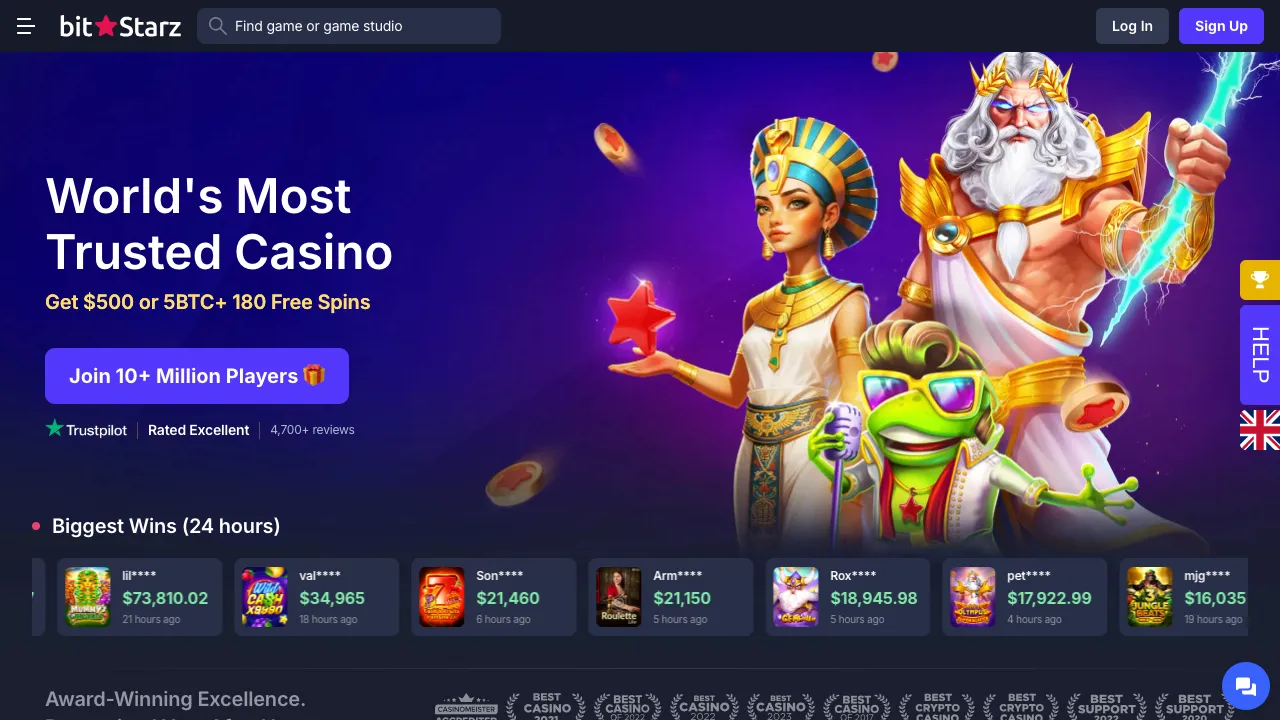
Skin gambling platforms like CSGOBig and Cases.gg are popular among younger Saudi gamers, offering case openings and battles with crypto deposits. For traditional casino games, Shuffle and BitStarz offer broad game libraries with crypto-first payment systems.
Always verify the platform has a valid offshore licence (Curacao, Malta, Gibraltar) before depositing.
Crypto Payment Methods
Cryptocurrency is essentially the only viable payment method for Saudi players. Banks and credit card providers in Saudi Arabia block gambling transactions, and the Saudi Arabian Monetary Authority (SAMA) monitors for suspicious transfers.
Binance (with Saudi Riyal P2P trading), Rain (Bahrain-based, serves Saudi), and local P2P platforms are common entry points. Bitcoin, USDT (TRC-20), and Ethereum are the most widely accepted. Some players use Litecoin for faster transaction times.
Best practice: purchase crypto on a regulated exchange, transfer to a personal non-custodial wallet (like Trust Wallet or MetaMask), then deposit to the casino from the personal wallet. This adds a layer of separation between your exchange account and gambling activity.
Privacy & Security
Saudi Arabia employs sophisticated internet filtering through the CSTC. Most gambling websites are blocked by default. Players typically use VPNs to bypass these restrictions.
Choose a VPN with obfuscated servers that disguise VPN traffic as regular HTTPS — standard VPN protocols may be detected and blocked. ExpressVPN, NordVPN (with obfuscated servers), and Mullvad are commonly used. Avoid free VPNs which may log your activity.
Additional privacy considerations: use a separate email for casino accounts, enable two-factor authentication, use crypto wallets that do not require identity verification, and be cautious about sharing screenshots or wins on social media.
Responsible Gambling
Without local support infrastructure, Saudi players must self-manage their gambling habits. Set strict limits before each session — both time and money. Never chase losses, and treat gambling as entertainment, not income.
Gambling Therapy (gamblingtherapy.org) offers free, confidential support in Arabic via live chat and email. The International Council on Problem Gambling provides resources at icgp.org. Most offshore casinos offer deposit limits, loss limits, and self-exclusion tools — configure these immediately after creating an account.
If gambling is causing financial stress, relationship problems, or anxiety, stop immediately and seek support.
Frequently Asked Questions
Gamble Responsibly
Gambling should be fun, not a way to make money. Set limits, take breaks, and never bet more than you can afford to lose. If you need help, visit BeGambleAware.org or call 1-800-522-4700.